
Top-Rated Products For Efficient Drainage System Solutions
Choose from a curated list of essential tools and accessories that enhance drainage service efficiency.
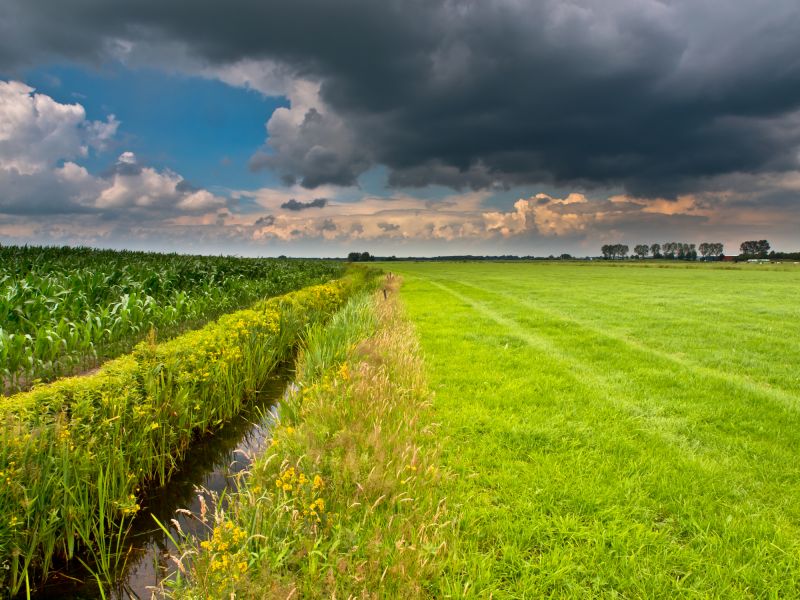 Effective drainage management is essential for maintaining the integrity and functionality of residential and commercial properties in Surprise, AZ. Proper drainage solutions help prevent water accumulation, reduce the risk of structural damage, and mitigate issues related to standing water such as mold growth and erosion. When selecting products for drainage service, it is important to consider the specific needs of the property, including the terrain, typical water flow, and existing infrastructure.
Top Overall Option
Drainage Pipe System
A comprehensive drainage pipe system offers versatile solutions for directing surface and groundwater away from structures. These systems typically include perforated pipes, fittings, and gravel bedding to facilitate effective water flow and prevent clogs. They are suitable for various applications, from residential gardens to large commercial sites, and can be customized to fit specific drainage requirements. Proper installation ensures optimal performance and longevity, making drainage pipe systems a reliable choice for many drainage needs.
Types of Products For Drainage Service
Perforated Drainage Pipes
Designed to collect and channel water away from foundations and landscapes, these pipes are essential for managing excess water in various settings.
Catch Basins
These are used to intercept surface water and debris, directing water into drainage pipes to prevent flooding and pooling.
Trench Drains
Installed across driveways, patios, or walkways, trench drains help manage surface runoff efficiently and prevent water buildup.
Sump Pumps
Sump pumps are essential for removing accumulated groundwater from basements or crawl spaces, especially in areas prone to flooding.
Channel Drains
Long, narrow drains that capture surface water from large areas, ideal for commercial properties or driveways.
French Drains
Subsurface drainage systems that redirect groundwater away from foundations or low-lying areas, often involving gravel and perforated piping.
Drain Grates
Protective covers for drains that prevent debris from entering while allowing water to flow freely.
Flexible Drainage Pipes
Flexible piping options that adapt to various terrains and installation requirements, suitable for tight spaces.
Downspout Extensions
Attach to downspouts to direct water further away from the foundation, reducing water intrusion risks.
Drainage Gravel and Rock
Used as bedding or fill material to facilitate water flow around pipes and prevent clogging.
Water Diverters
Devices designed to redirect surface water away from structures or landscaping features.
Drainage Matting
Protective and supportive layers that improve drainage and prevent soil erosion around pipes and foundations.
Popular Choices
Widely used for residential and commercial drainage projects, these pipes help manage excess water effectively.
Commonly installed in driveways and yards to prevent surface flooding and debris buildup.
Popular for managing runoff in high-traffic areas like parking lots and walkways.
Effective for basement waterproofing and managing groundwater levels in low-lying areas.
Preferred for large surface areas requiring efficient water removal, such as patios and pool decks.
Complete kits that facilitate easy installation of subsurface drainage around foundations or gardens.
Commonly used to protect drainage openings in outdoor settings, ensuring debris does not clog the system.
Popular for adaptable drainage solutions in tight or uneven spaces.
Frequently chosen to extend downspouts and divert water away from foundations.
Used in various drainage systems to promote water flow and prevent clogging.
Effective for redirecting surface runoff in residential landscapes or commercial sites.
Provides additional support and improves drainage around foundations or landscaping features.
Drainage products come in various forms, from simple solutions like drainage pipes and catch basins to more advanced systems such as trench drains and sump pumps. Each type serves a different purpose and can be tailored to address specific drainage challenges. For example, trench drains are often used in driveways and patios to channel surface water away efficiently, while sump pumps are vital for managing groundwater levels in basements or crawl spaces.
Choosing the right drainage products involves understanding the flow capacity, material durability, ease of installation, and compatibility with existing systems. Properly installed drainage solutions can significantly reduce water-related problems and contribute to the longevity of a property. Consulting with drainage specialists or contractors can help identify the most suitable products to meet individual needs, ensuring effective water management in different environments around Surprise, AZ.
Key Buying Considerations
- Assess the specific drainage problem to determine the appropriate product type.
- Consider the volume of water that needs to be managed and select products with suitable flow capacity.
- Evaluate the material durability, especially for outdoor applications exposed to weather elements.
- Ensure compatibility with existing drainage systems or infrastructure.
- Installation ease can vary; choose products that match your skill level or plan to hire professionals.
- Think about the space available for installation, especially for trench or channel drains.
- Check for clog-resistant features or accessories like grates and covers to minimize maintenance.
- Materials such as PVC, HDPE, or concrete may have different longevity and cost implications.
- Consider the environmental conditions, including soil type and slope, which influence drainage effectiveness.
- Review product dimensions carefully to ensure proper fit and coverage.
- Look for modular options that allow future expansion or adjustments.
- Determine if additional components like gravel or fittings are needed for installation.
- Prioritize products that are designed for easy cleaning and maintenance.
- Verify local building codes or regulations related to drainage system installation.
- Budget considerations should include both initial purchase and potential ongoing maintenance costs.